Foam Wash vs Traditional Wash — What's the Difference?
A foam pre-soak is more than a marketing line. Here's what it actually does and when it is worth paying for.
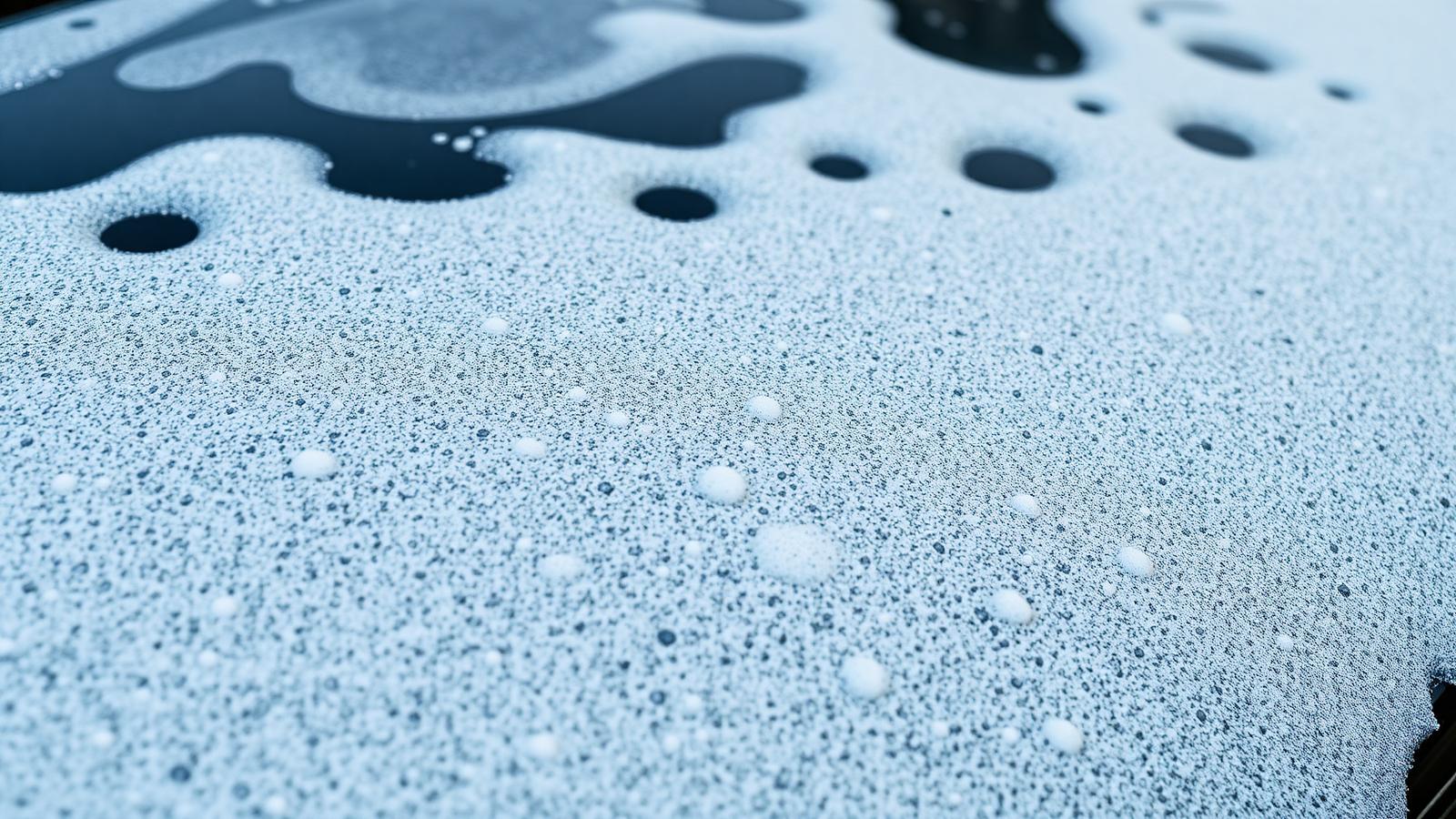
Walk past any modern car wash and you will see thick white foam clinging to a car like a snow blanket. It looks dramatic, and it photographs well, but most customers have a fair question: does it actually do anything different from a regular bucket wash?
The short answer is yes — and the difference matters most on the cars that people care about the most.
What a traditional wash actually does
A traditional wash starts with a wet mitt on a dirty panel. No matter how careful the technique is, that mitt drags grit, dust and brake particles across the clear coat in the first few seconds of contact. This is the single biggest cause of swirl marks and micro-scratches in daily-driven cars.
The two-bucket method — one bucket for soapy water, one for rinsing the mitt — helps a lot. So does a grit guard at the bottom of each bucket. But the fundamental issue remains: the very first stroke is happening on a panel that still has bonded grime on it.
How a foam pre-soak changes the order of operations
A foam pre-soak inverts the sequence. The foam is applied with a dedicated lance or cannon, then left to dwell on the paint for a few minutes. During that dwell time, the surfactants in the foam break the bond between contaminants and the clear coat.
The foam is then rinsed off with a high-pressure water rinse — and a surprising amount of dirt leaves with it, before any contact has happened. Only then does the mitt touch the paint, and it touches paint that is already mostly clean.
On a newer car with the soft modern clear coats common to Asian and European brands, this difference is the line between a finish that stays glossy for years and one that hazes after eighteen months.
What good foam looks like
- Thick, shaving-cream consistency that clings rather than runs
- pH neutral or slightly alkaline — never acidic
- Dwells on the panel for 3–6 minutes without drying
- Rinses cleanly with no streaks or residue
When foam is worth paying for
Foam is not necessary on every wash. For a daily wash on an older car with already-imperfect paint, a careful traditional wash is fine. Where foam earns its keep is on cars where preserving the clear coat matters.
- New cars within the first three years — soft clear coat is most vulnerable
- Dark colours (black, navy, deep red) where swirl marks are most visible
- Any car with paint correction or a ceramic coating already applied
- Vehicles with heavy bug, sap or road grime build-up
- Cars that will be photographed, sold, or shown
Common myths
"More foam means a better wash"
Not really. Volume of foam is mostly visual. Cling time and surfactant quality matter far more than how impressive the foam looks in a photo.
"Foam alone is enough — no contact wash needed"
Touchless foam-only washes can leave bonded contaminants on the paint. They are fine for a quick rinse between full washes, but not a replacement for a proper hand wash.
"All foams are the same"
They are not. Cheap foam is essentially diluted dish soap and can strip wax and sealants in a single wash. The pH-balanced foams we use are designed to preserve protective layers.
Our approach
We offer a foam pre-soak as standard on Xpert Platinum and above, and on request for any other service. It adds a few minutes to the wash and significantly extends the life of the paint underneath.
If a wash starts with a dry mitt on a dirty panel, you have already lost the argument with the clear coat.
If you are unsure whether your car would benefit, ask the team at the counter. We will take a quick look at the paint and give you an honest recommendation.